
Security Integration
Security System Integration in Singapore
Jian Dong Controls Engineering
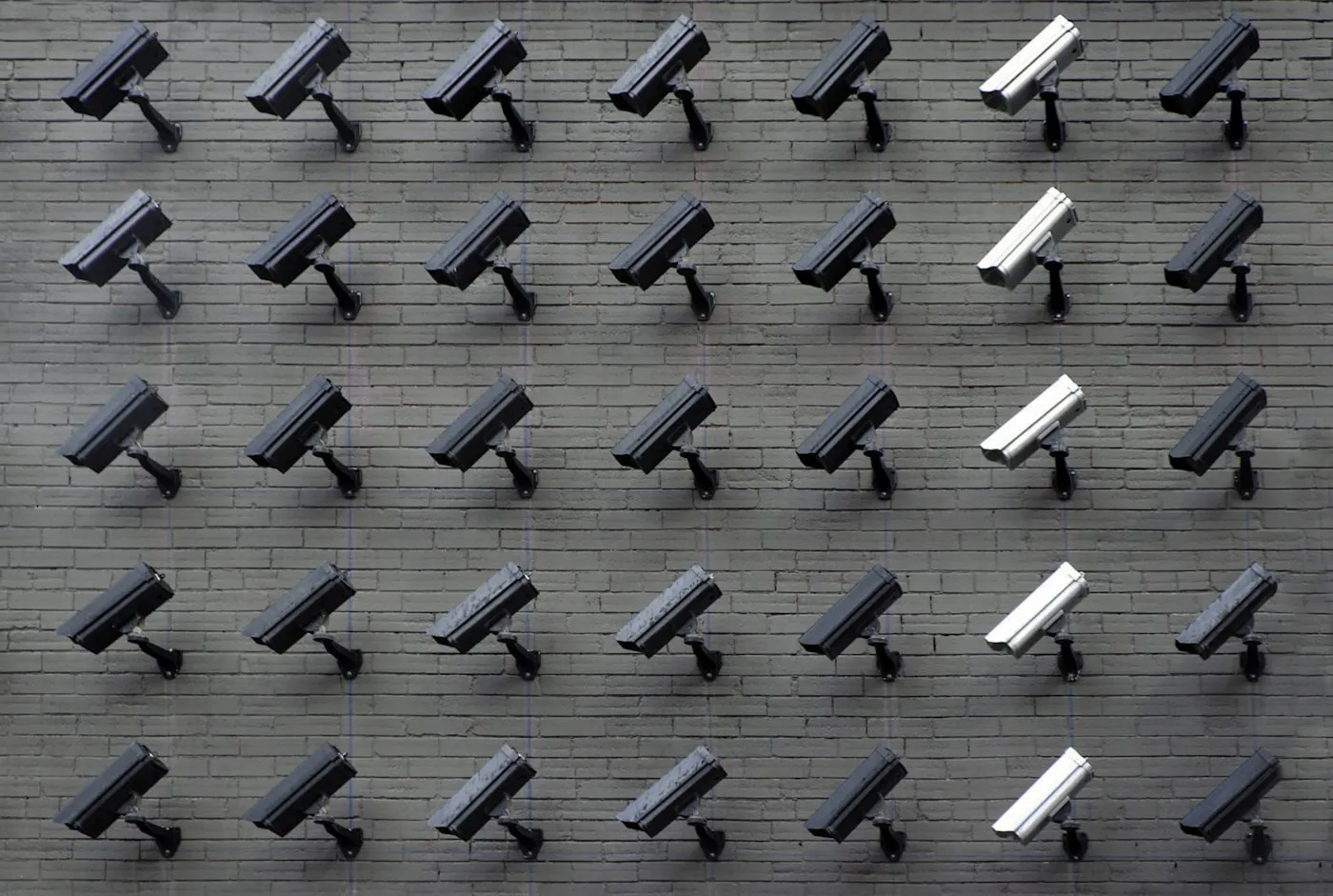
Most “security system integration” in Singapore is really just three separate installs sold together: cameras from one team, access control from another, a public-address system from a third. They sit on the same site but barely speak to each other — and when something fails, you’re the one holding three warranties and three phone numbers.
Real security system integration means those systems work as one, and — the part most providers skip — that they’re tied into the building systems around them: automation, controls, fire. This guide explains how security integration actually gets scoped and delivered in Singapore, and how to tell a genuinely integrated scope from a bundled one. If you already know what you need, request a site survey. Otherwise, read on.
Table of contents
- Integrate your security systems with one contractor
- What is security systems integration?
- Why integration matters for Singapore premises
- What gets integrated
- How a security integration project gets delivered
- What security systems integration costs
- Best practices for an integrated security system
- Common security integration mistakes to avoid
- Servicing an integrated security system
- How to choose a security integration contractor
- Frequently asked questions
Integrate your security systems with one contractor
Jian Dong Controls Engineering designs, installs, commissions and services integrated security systems — CCTV, access control and public address — for commercial, industrial and residential premises across Singapore. We’ve done it since 1998.
What sets our scope apart is what surrounds it. Security is one of eight service lines we deliver, alongside building automation, controls, programming and fire alarm systems. So your cameras, door access and PA don’t just integrate with each other — they integrate with the building systems they share a site with, under one contractor and one point of accountability. No handing-off between a security vendor, a controls vendor and a main contractor. One team owns the whole picture.
If that’s the scope you’re after, tell us about your site.
What is security systems integration?
Security systems integration is the practice of connecting separate security technologies — surveillance, access control, public address, intrusion detection — so they operate as a single coordinated system rather than standalone products. Integrated, not siloed.
In an integrated setup, the systems share information and respond together. An access-control event can call up the nearest camera; an alarm can trigger a public-address message; everything is monitored and managed from one place instead of three separate interfaces. The technology is only half of it — the integration is in the design, the wiring and the programming that makes those systems talk.
The deeper form of integration, and the one that matters most in a real building, connects security to the building’s other systems: automation, controls and fire. That’s where a scope delivered by a building-systems contractor differs from one delivered by a security-only vendor.
Why integration matters for Singapore premises
Singapore buildings — commercial, industrial and residential — run on a stack of systems that increasingly need to coordinate. When security is bought as an island, three problems follow:
- Gaps between vendors. Each contractor is responsible for their box and nothing between them. Integration is exactly the “between them” that no one owns.
- Duplicated cost and cabling. Separate installs mean separate site visits, separate infrastructure and separate maintenance contracts.
- Slower response. When systems don’t share information, a person has to be the integration — watching three screens and joining the dots.
Bringing security into one coordinated scope — and connecting it to the building systems it sits alongside — removes those gaps. It’s the same principle behind good building automation: modern buildings run on systems that must talk to each other, and the value is in making them do so.
What gets integrated
A complete integrated security scope typically brings together:
- CCTV surveillance — camera design, installation and monitoring. We cover CCTV as part of the integrated scope, not a standalone box.
- Access control — door and gate access, controlling and logging who goes where.
- Public address (PA) — announcements and alerts, coordinated with the other systems.
- Intrusion and alarm — detection tied into the same response setup.
- Integration with building automation and controls — so security coordinates with the building’s operation, drawing on our building automation and controller programming work.
- Integration with fire alarm systems — connecting fire so life-safety and security aren’t in separate silos.
You don’t have to do all of it at once. A sensible integration plan lets you start with the priority systems and extend later — provided the design accounts for it from the start.
How a security integration project gets delivered
An integrated security system is a sequence of works on your site, not a purchase off a shelf. Ours runs in five stages, with regulatory compliance and safe work practices applying at every one:
- Assess. We survey the site and review requirements — what you have, what needs protecting, how the premises are used, and which systems must talk to each other.
- Propose. System design, scope and quotation in writing. Clear scope, honest quotes, no surprises mid-project.
- Install. Installation and integration works — cameras, access hardware, PA, cabling, and the controllers that tie them together.
- Test and commission. We test against spec and code and commission the integrated system, so it works as one — not as parts that happen to be switched on.
- Support. Servicing and rectification once you’re live.
We install systems people’s lives depend on. Corners are never cut — which is why testing and commissioning is its own stage, not an afterthought.
What security systems integration costs
It depends on the site, and any firm quoting a fixed price before surveying is guessing. The real cost drivers are:
- How many systems, and how integrated — cameras alone versus cameras plus access, PA, intrusion and building-system integration.
- Number of points — cameras, doors, and devices to cover.
- New build vs retrofit — integrating into an occupied building, around existing equipment and cabling, usually costs more than a clean install.
- Condition of existing systems — what can be reused versus replaced.
- Programming and integration complexity — making systems respond together is where the engineering time goes.
We quote after a site survey, itemised, so you can see what drives the number — and it doesn’t change later. For a real range for your premises, request a site survey.
Best practices for an integrated security system
- Design the integration up front. Deciding later to connect access to CCTV, or security to building systems, is harder and costlier than planning for it.
- Insist on real commissioning. Test that the systems actually respond together, not just that each one powers on.
- Keep one point of accountability. The gaps between vendors are where integration fails — one contractor closes them.
- Plan for extension. Build the scope so you can add systems later without re-doing the backbone.
- Match credentials to the work. These are systems people rely on; use a properly registered, safety-certified contractor.
Common security integration mistakes to avoid
- Buying “integration” that’s really a bundle. Three systems from one invoice isn’t integration if they don’t talk.
- Siloed vendors. Separate security, controls and fire contractors mean separate warranties and no one who owns the joins.
- Skimping on commissioning. Un-tested integration fails quietly, exactly when you need it.
- Ignoring the building systems. Security that isn’t connected to the building’s automation and fire is only half-integrated.
- No maintenance plan. Cameras drift, firmware ages, requirements change. Budget for servicing from day one.
Servicing an integrated security system
An integrated security system runs for years and needs upkeep — testing, servicing and rectification keep it operational, and faults get handled fast, because downtime costs our clients money. We service systems we installed and, where the condition allows, systems installed by others; a survey tells us what state a legacy setup is in and what it needs.
How to choose a security integration contractor
The providers you’ll compare tend to fall into three camps, and each is genuinely good at what it does:
- Security-only integrators — strong on surveillance and access, but security is the whole of their scope.
- Guarding and manpower firms with a systems arm — good at the people side, with technology added on.
- Camera and hardware brands — excellent products, sold as platforms.
Where a building-systems contractor differs is scope: security delivered by the same team that handles your automation, controls and fire, so the integration reaches beyond the security stack. When you compare, look for:
- Local track record — experience with Singapore commercial, industrial and residential premises and their code requirements. We’ve been at it since 1998.
- Registration and safety — an ACRA-registered business (we’re UEN 52862448B) and bizSAFE certification (we’re bizSAFE Level 3, Cert E13359).
- True integration capability — the ability to connect security to building automation and fire, not just to other security devices.
- End-to-end scope — design, installation, programming and servicing under one point of accountability.
- Straight dealing — clear scope, honest quotes, no surprises mid-project.
If that’s the profile you want, that’s us. Request a site survey and we’ll tell you honestly what your premises need.
Frequently asked questions
What does security systems integration actually mean? It means connecting separate security technologies — CCTV, access control, public address, intrusion — so they operate as one coordinated system rather than standalone products, and ideally connecting them to the building’s automation and fire systems too. Integrated, not siloed.
Can you integrate our existing CCTV and access control? Usually, yes — that’s a core part of what we do. A survey tells us what your existing systems are, what condition they’re in, and what can be integrated versus what needs replacing.
How is this different from just buying cameras and door access? Buying the boxes is the easy part. Integration is the design, wiring and programming that makes them respond together — and connects them to the wider building systems. That’s where a bundled purchase and an integrated scope diverge.
How much does an integrated security system cost in Singapore? It depends on how many systems and points are involved, whether it’s a new build or a retrofit, and the integration complexity. We quote after a site survey, itemised — no headline figure that changes later. Ask us for a real range.
Do you handle building automation and fire as well as security? Yes. Security is one of eight service lines we deliver, alongside building automation, controls, programming and fire alarm systems — which is exactly why we can integrate security with the systems around it, under one contractor.
Do you service systems installed by another contractor? Where the condition allows. A survey tells us the state of the existing setup and what it needs. Testing, servicing and rectification are standing service lines for us, not an afterthought.
Security integration · Building automation · Programming & solutions — designed, programmed and delivered by one accountable contractor. Since 1998, ACRA-registered, bizSAFE Level 3. Request a Site Survey.
One contractor, one point of accountability
Planning a project?
Building automation · Security integration · Programming & solutions · Since 1998, ACRA-registered, bizSAFE Level 3 (Cert E13359).