
Building Automation
Building Automation Systems in Singapore
Jian Dong Controls Engineering
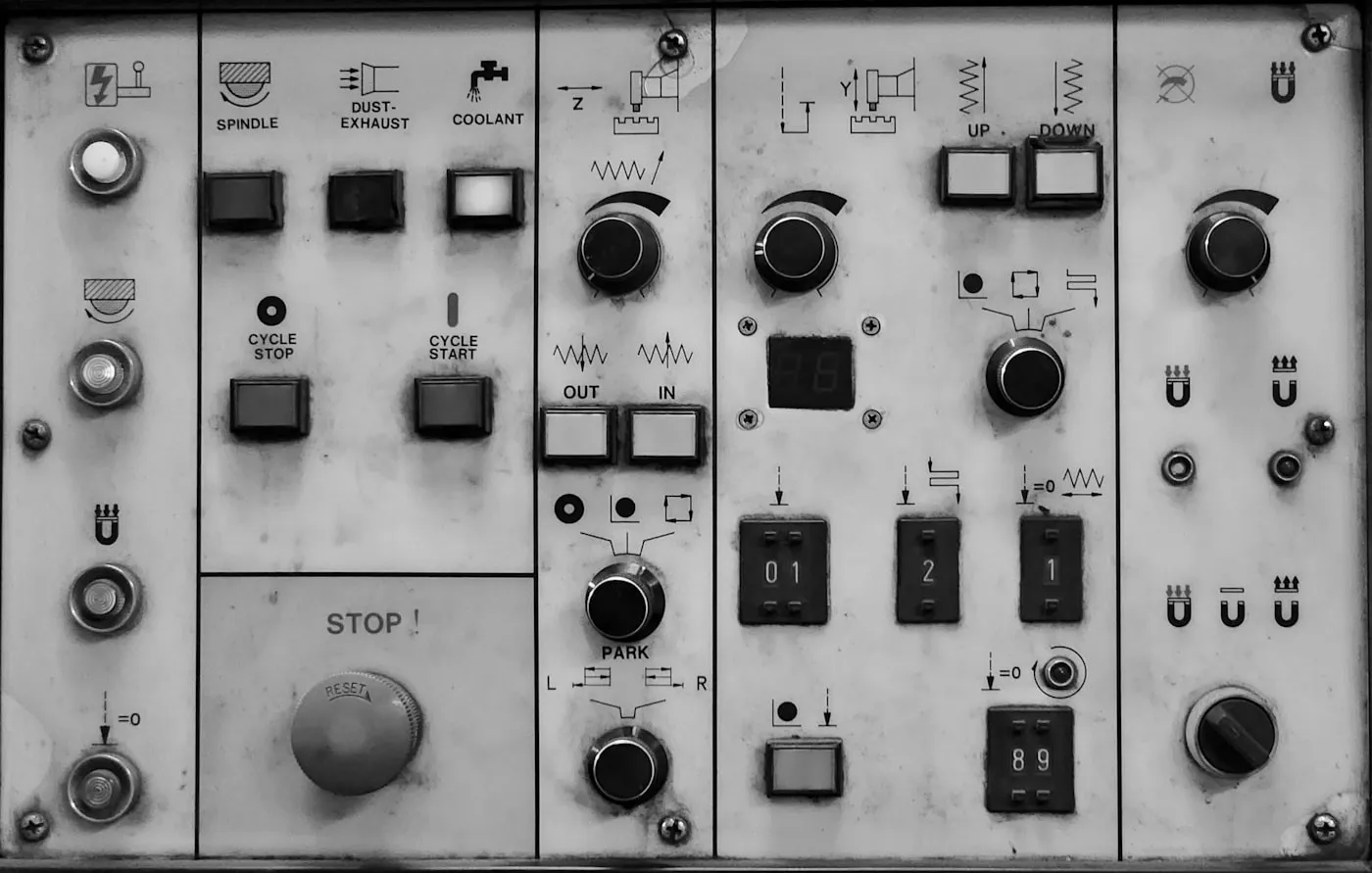
Search for a building automation system in Singapore and the first page is wall-to-wall global manufacturers — each one selling its own platform. Those platforms are good. But most building owners here don’t actually need to start by choosing a brand. They need someone to look at their site, tell them straight what it needs, install it properly, and pick up the phone when something faults.
That’s the job we do. This guide explains how a building automation system in Singapore actually gets scoped, programmed and commissioned — written from the installer’s side of it, not a product brochure. If you already know what you need, request a site survey and we’ll take it from there. If you’re still working out what a BMS is and whether it’s worth it, read on.
Table of contents
- Work with a contractor, not a platform vendor
- What is a building automation system?
- Why building automation matters for Singapore premises
- Types of building automation systems
- How a building automation system gets delivered
- What a building automation system costs in Singapore
- Best practices for a building automation project
- Common building automation mistakes to avoid
- Servicing and maintaining your system
- How to choose a building automation contractor
- Frequently asked questions
Work with a contractor, not a platform vendor
A building automation system is only as good as the installation and programming behind it. The controllers, the sensors, the wiring, the logic that decides when a chiller ramps up or a car-park exhaust fan kicks in — that’s where projects succeed or fail, and none of it comes out of a box.
At Jian Dong Controls Engineering we design, install, commission, program and service building automation systems for commercial, industrial and residential premises across Singapore. We’ve done it since 1998. We’re vendor-neutral: we work with the equipment that fits your building, rather than pushing one manufacturer’s ecosystem, and we deliver automation, security and controls as one coordinated scope — one contractor, one point of accountability, instead of you managing a controls vendor, a security vendor and a main contractor who all blame each other when something doesn’t talk.
That’s the whole pitch, and the rest of this guide is the detail behind it. If it already sounds like what you’re after, tell us about your site.
What is a building automation system?
A building automation system (BAS), often called a building management system (BMS), is the central “nervous system” of a building. It connects the equipment that keeps a building running — air-conditioning, ventilation, lighting, pumps, metering, and often security and fire systems — to a set of controllers that monitor and operate them automatically, to a schedule and to rules you define.
Instead of a technician walking the floor to switch plant on and off, the system does it: air-handling units run to occupancy hours, temperatures hold to setpoint, faults raise an alarm the moment they happen, and everything can be seen and adjusted from one place. Underneath, it’s panels, controllers and monitoring wired to sensors and actuators throughout the building, with programmed logic tying them together.
The important part for an owner: a BMS is not a product you buy, it’s a system that gets built for your building. Two buildings with the same equipment can need very different control logic. That’s why the design and programming matter more than the badge on the controller.
Why building automation matters for Singapore premises
Singapore’s climate does most of the arguing for automation. Cooling runs hard, year-round, and air-conditioning is usually the single largest energy load in a commercial building. A system that runs plant only when and where it’s needed — rather than everything, all day — is the difference between a sensible energy bill and a wasteful one.
Beyond energy, automation buys you three things Singapore building owners consistently care about:
- Fewer manual errors. Plant runs to schedule, not to whoever remembered to switch it on.
- Faster fault response. The system flags a failing pump or a tripped unit immediately, so it’s fixed before tenants complain.
- A building that’s easier to run. One screen, one contractor, one accountable point — instead of a facilities team juggling standalone systems.
For newer developments there’s also the compliance and green-building angle: automated controls and metering are central to running an efficient building and demonstrating it. We’ll flag where that applies to your project during the survey rather than guess at it here.
Types of building automation systems
“Building automation” covers a spread of sub-systems. A full BMS can tie all of these together, or you can automate one part first and extend later. The main areas:
- HVAC and mechanical controls — air-handling units, chillers, pumps, cooling towers, exhaust and ventilation. Usually the core of a BMS and the biggest energy lever.
- Lighting and electrical control — scheduling, zoning and monitoring of lighting and power.
- Energy and utilities metering — measuring consumption so you can actually manage it.
- Security and access integration — CCTV, access control and public address, brought into the same coordinated setup. We cover this in depth in our guide to security system integration in Singapore.
- Fire alarm integration — connecting fire alarm systems so life-safety and building systems coordinate rather than sit in silos.
- Custom control and programming — where off-the-shelf behaviour isn’t enough, we program controllers around how your site actually runs.
The point of a building automation system is that these don’t stay separate. Modern buildings run on systems that must talk to each other, and the value is in the integration — which is exactly the part that gets skipped when each trade is bought from a different vendor.
How a building automation system gets delivered
This is the part the manufacturer pages don’t show you. A BMS project isn’t a purchase — it’s a sequence of works on your site. Ours runs in five stages, with regulatory compliance and safe work practices applying at every one of them:
- Assess. We survey the site and review requirements — the plant you have, the condition it’s in, how the building is used, and what you actually need the system to do. No two surveys produce the same scope.
- Propose. We put the system design, scope and quotation in writing. Clear scope, honest quotes, no surprises mid-project — so you can see what you’re paying for before anything starts.
- Install. Installation and integration works — panels, controllers, sensors, wiring, and tying in the sub-systems.
- Test and commission. We test against spec and code and commission the system properly. This is where a system either works as designed or merely “switches on” — and it’s where cutting corners shows up later.
- Support. Servicing and rectification once you’re live, because a BMS is a system you run for years, not a one-off install.
We install systems people’s lives depend on. Corners are never cut — that’s not a slogan, it’s why the test-and-commission stage exists as its own step.
What a building automation system costs in Singapore
Honest answer: it depends, and anyone who quotes a firm number before seeing your site is guessing. The cost of a building automation system in Singapore is driven by a handful of real factors:
- Points count — how many things the system monitors and controls. More plant and more sensors means more controllers, wiring and programming.
- New build vs retrofit — retrofitting into an occupied building, working around existing equipment and cabling, usually costs more to integrate than a clean new-build install.
- How much is integrated — automating HVAC alone is one scope; tying in lighting, metering, security and fire is another.
- Condition of existing equipment — what can be reused versus what has to be replaced.
- Programming complexity — standard scheduling is straightforward; custom logic for an unusual operation takes more work.
We quote after a site survey, itemised, so you can see the drivers. What we won’t do is publish a headline figure that turns into a different number later. If you want a real range for your building, the fastest route is to request a site survey.
Best practices for a building automation project
A few things separate a system that earns its cost from one that becomes shelfware:
- Survey first, specify second. The scope should come from your building, not from a template.
- Design for the people who’ll run it. A system the facilities team can’t operate gets bypassed. Keep the interface and alarms sensible.
- Commission properly. Insist on testing against spec and code, not just a power-on. This is where quality is won or lost.
- Plan the integration up front. Deciding later to tie in security or fire is harder than designing for it from the start.
- Keep one point of accountability. When automation, controls and security come from one contractor, there’s no gap for problems to fall into.
Common building automation mistakes to avoid
- Buying the platform before the design. The brand matters far less than the installation and programming. Choose the contractor and the scope first.
- Under-scoping to hit a price. A system that monitors too little can’t manage the building. Cheap-but-blind costs more over time.
- Ignoring commissioning. A system that was never properly tested will underperform quietly for years.
- Siloed vendors. Separate controls, security and fire contractors mean separate warranties and nobody who owns the whole picture.
- No maintenance plan. A BMS drifts out of tune without servicing. Budget for support from day one.
Servicing and maintaining your system
A building automation system is something you operate for years, and it needs upkeep — sensors drift, requirements change, equipment ages. Testing, servicing and rectification keep an installed system doing its job, and faults get handled fast, because downtime costs our clients money. We service systems we installed and, where we can, systems installed by others — a survey tells us what state a legacy system is in and what it needs.
How to choose a building automation contractor
The global manufacturers on the first page of your search — Johnson Controls, Bosch, Schneider Electric and the like — build genuinely strong platforms, and for very large or standardised estates a single-vendor ecosystem can make sense. For most Singapore buildings, though, what matters more is who scopes, installs, commissions and services the thing. When you’re comparing contractors, look for:
- Local track record. Experience with Singapore commercial, industrial and residential premises and their code requirements. We’ve been at it since 1998.
- Proper registration and safety. An ACRA-registered business (we’re UEN 52862448B) and bizSAFE certification (we’re bizSAFE Level 3, Cert E13359) — you’re letting people work on live building systems.
- Vendor neutrality. A contractor who fits equipment to your building, not your building to one manufacturer’s catalogue.
- End-to-end scope. Design, installation, programming, servicing and the ability to integrate security and fire — under one point of accountability.
- Straight dealing. Clear scope, honest quotes, no surprises mid-project.
If that’s the profile you’re after, that’s us. Request a site survey and we’ll tell you honestly what your building needs.
Frequently asked questions
What is the difference between a BMS and a BAS? None that matters to most owners. “Building management system” (BMS) and “building automation system” (BAS) are used interchangeably for the same thing: the controllers and software that monitor and automate a building’s systems. Some people use BMS for the wider management layer and BAS for the controls beneath it, but in practice they describe one system.
How much does a building automation system cost in Singapore? It depends on the points count, whether it’s a new build or a retrofit, how much you integrate, and the condition of your existing equipment. We quote after a site survey, itemised — no headline figure that changes later. Ask us for a real range for your building.
How long does installation take? Scope decides it. A small retrofit and a whole-building new-build install are very different jobs. You get the timeline in the written proposal after the survey, followed by proper testing and commissioning before handover.
Can you integrate with our existing building systems? Usually, yes — that’s a core part of what we do. We program controllers and tie in existing plant, security and fire where the condition allows. A survey tells us what can be reused and what can’t.
Is a building automation system worth it for a smaller building? Often, yes — but only at the right scope. Automating the largest loads (typically air-conditioning) can pay off even in smaller premises, while over-specifying wastes money. The honest answer comes from looking at your building, not a rule of thumb.
Do you service systems installed by another contractor? Where we can. A survey tells us the state of the existing system and what it needs. Testing, servicing and rectification are standing service lines for us, not an afterthought.
Building automation · Security integration · Programming & solutions — designed, programmed and delivered by one accountable contractor. Since 1998, ACRA-registered, bizSAFE Level 3. Request a Site Survey.
One contractor, one point of accountability
Planning a project?
Building automation · Security integration · Programming & solutions · Since 1998, ACRA-registered, bizSAFE Level 3 (Cert E13359).